- Home
- Kilimanjaro Routes
Kilimanjaro Routes
Explore Kilimanjaro’s scenic routes and find the right trail for your pace, experience, and adventure goals.
Choose Your Path to the Roof of Africa
Mount Kilimanjaro offers several routes, each with its own scenery, difficulty, duration, and trekking experience. Explore the options below and find the route that best matches your adventure goals and experience.
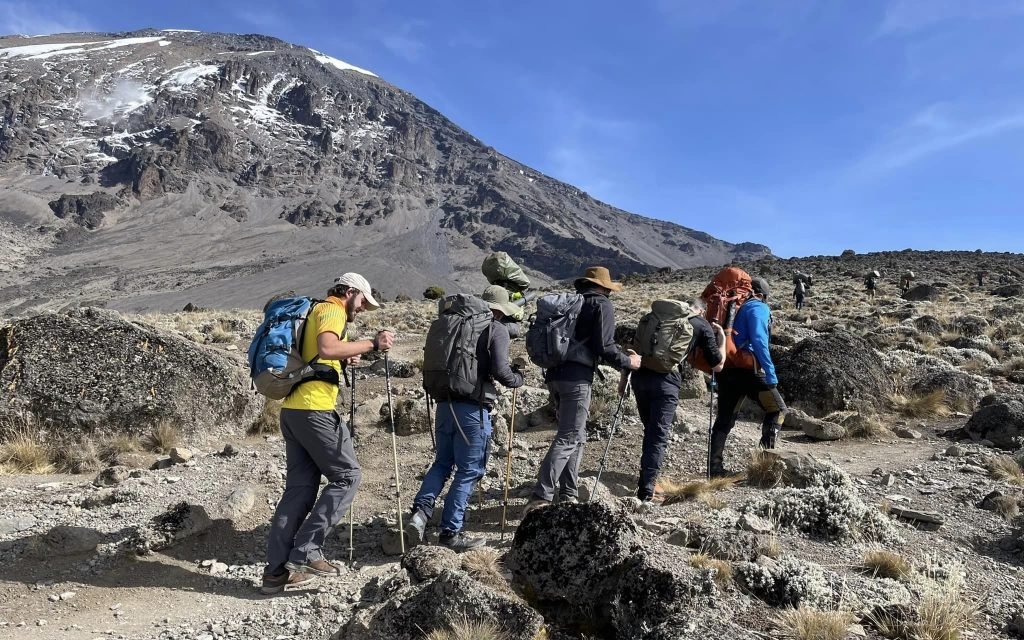
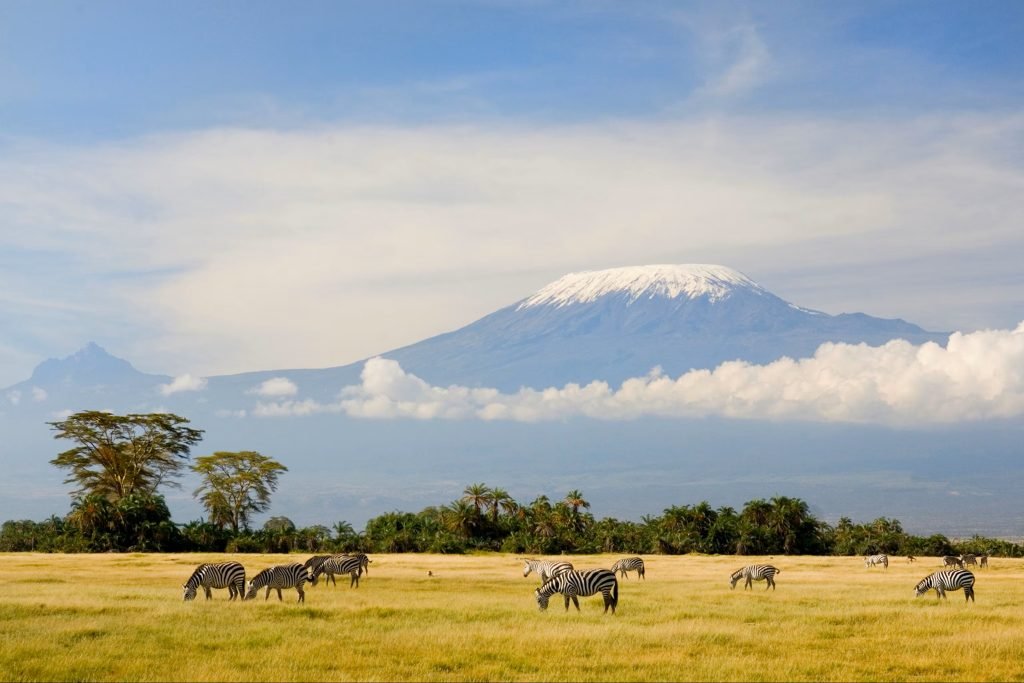
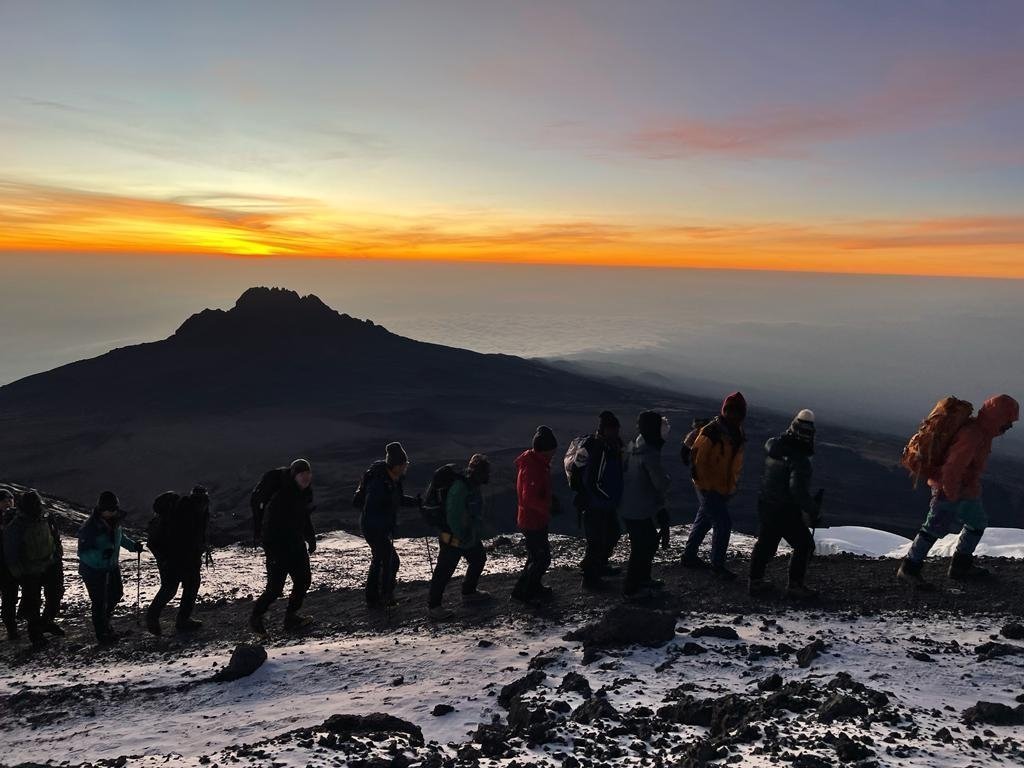
Kilimanjaro Routes
Machame Route
Known as the “Whiskey Route,” Machame is one of Kilimanjaro's most popular routes. It offers beautiful and varied scenery while providing good opportunities for acclimatization.
Duration: 6–7 days
Difficulty: Moderate to challenging
Best for: Adventurous trekkers seeking scenic landscapes
Lemosho Route
Scenic & Excellent for Acclimatization. The Lemosho Route approaches Kilimanjaro from the western side and is known for its spectacular scenery and gradual ascent. Its longer itineraries provide more time for acclimatization.
Duration: 7–8 days
Difficulty: Moderate to challenging
Best for: Trekkers looking for scenery and a gradual climb
Marangu Route
Classic & Comfortable. Known as the “Coca-Cola Route,” Marangu is the only Kilimanjaro route where trekkers stay in mountain huts rather than tents. It follows a relatively direct path to the summit.
Duration: 5–6 days
Difficulty: Moderate
Best for: Trekkers who prefer hut accommodation
Rongai Route
Quiet & Remote. Rongai approaches Kilimanjaro from the northern side near the Kenya border. It is generally quieter than the southern routes and offers a different perspective of the mountain.
Duration: 6–7 days
Difficulty: Moderate
Best for: Travelers looking for a quieter trekking experience
Northern Circuit
Longest Route & Maximum Acclimatization. The Northern Circuit is Kilimanjaro's longest route, offering extensive time for acclimatization and spectacular views around the northern slopes of the mountain.
Duration: 8–9 days
Difficulty: Moderate to challenging
Best for: Trekkers who want more time on the mountain
Umbwe Route
Steep, Remote & Challenging. Umbwe is one of the steepest and most demanding routes on Kilimanjaro. It is better suited to experienced trekkers who are comfortable with challenging terrain.
Duration: 5–7 days
Difficulty: Challenging
Best for: Experienced and confident trekkers
- January – February: Warm and relatively dry, with excellent opportunities for wildlife viewing and the Great Migration's calving season.
- March – May: The long rainy season brings lush green landscapes, fewer visitors, and potentially better-value travel.
- June – October: A popular dry period for wildlife safaris, trekking, and exploring Tanzania's major destinations.
- November – December: The short rains bring refreshed landscapes, while many destinations remain excellent for travel.
Wildlife Safari
June to October is a popular period for wildlife viewing, with generally dry conditions and animals often easier to spot around water sources.
Great Migration
The Great Migration moves throughout the Serengeti during the year. January to March can be excellent for the calving season, while June to October is popular for northern Serengeti experiences and river crossings.
Mount Kilimanjaro
January to February and June to October are among the most popular periods for climbing, thanks to generally favorable trekking conditions.
Zanzibar
June to October and January to February are popular periods for enjoying Zanzibar's beaches, marine activities, and island experiences.
Kilimanjaro Routes FAQs
There is no single best route for everyone. Lemosho and Northern Circuit are popular for their longer itineraries and acclimatization opportunities, while Machame is known for scenic trekking and Marangu for hut accommodation.
Several routes can be suitable for first-time climbers. Longer itineraries such as Lemosho or Northern Circuit are often attractive because they provide more time for acclimatization. Your fitness and preparation are also important.
Success rates vary by itinerary, operator, preparation, weather, and individual acclimatization. In general, longer routes tend to provide better acclimatization opportunities than shorter itineraries.
Marangu is often considered one of the more straightforward routes because of its gradual trail and hut accommodation. However, reaching 5,895 metres is challenging regardless of the route.
Umbwe is generally regarded as one of the more challenging routes because of its steep and demanding early sections. It is better suited to experienced and physically prepared trekkers.
Lemosho is particularly popular for its diverse and scenic landscapes. The Northern Circuit also offers extensive scenery and a more remote trekking experience.
Depending on the route and itinerary, a Kilimanjaro climb typically takes around 5–9 days. Longer itineraries are generally preferred because they allow more time for acclimatization.
Plan Before You Book
- Define Your Main Experience
- Check Seasonal Conditions
- Match Your Dates to Your Goals
- Consider Your Budget
- Book Popular Experiences Early
Ready to Experience Tanzania?
Your perfect Tanzania adventure starts with choosing the right time.