- Home
- Kilimanjaro FAQs
Kilimanjaro FAQs
Find clear answers to common questions about routes, preparation, packing, safety, and what to expect on your Kilimanjaro climb.
Everything You Need to Know Before Climbing Mount Kilimanjaro
Planning to climb Mount Kilimanjaro? Here are answers to the most common questions about routes, fitness, altitude, preparation, equipment, and the overall trekking experience.
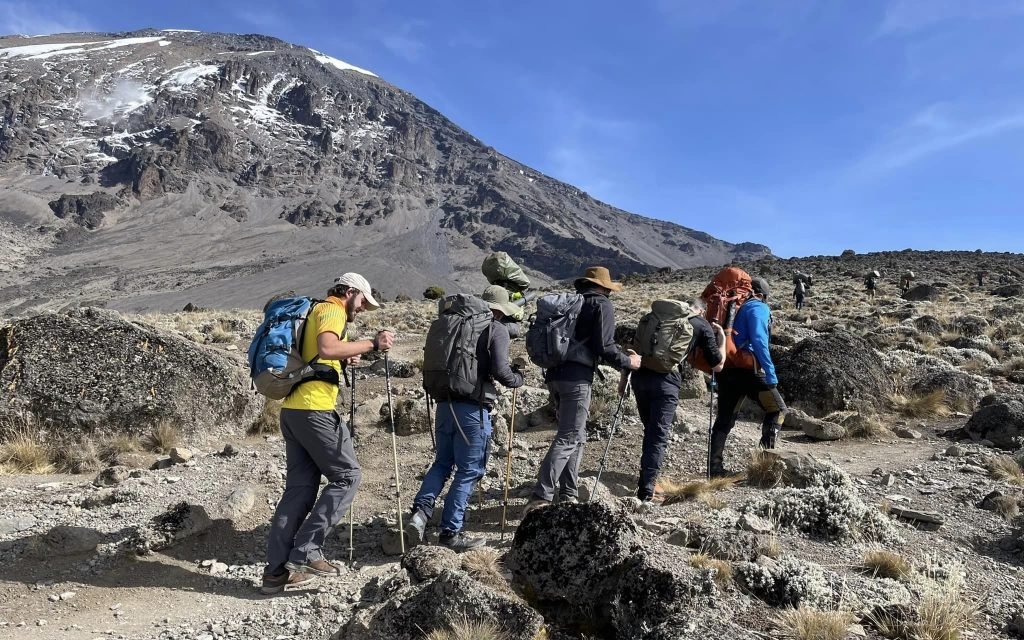
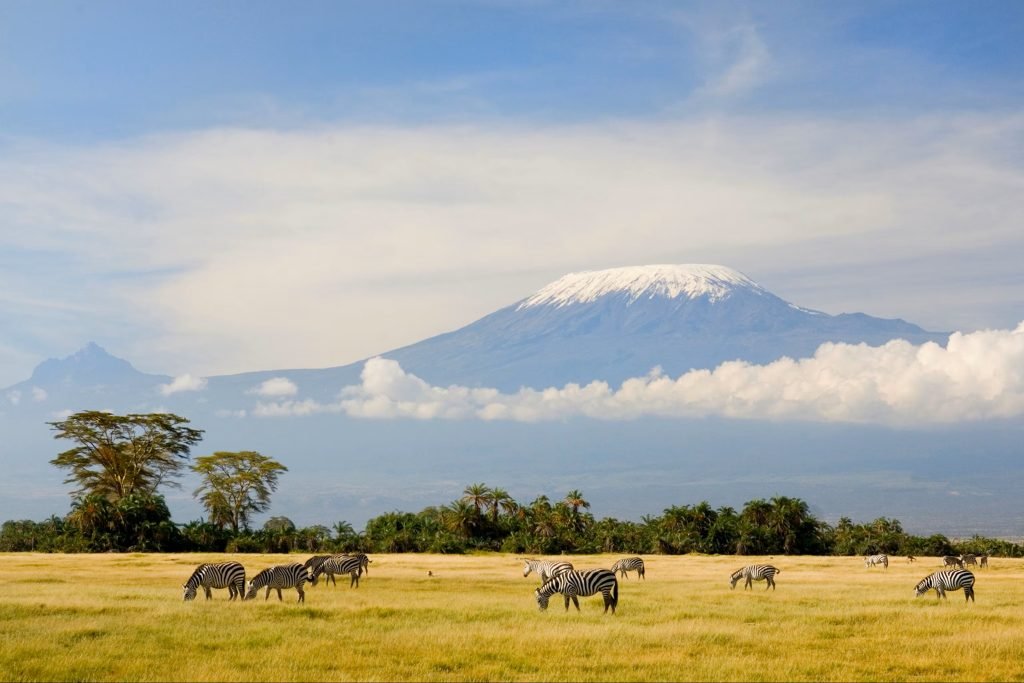
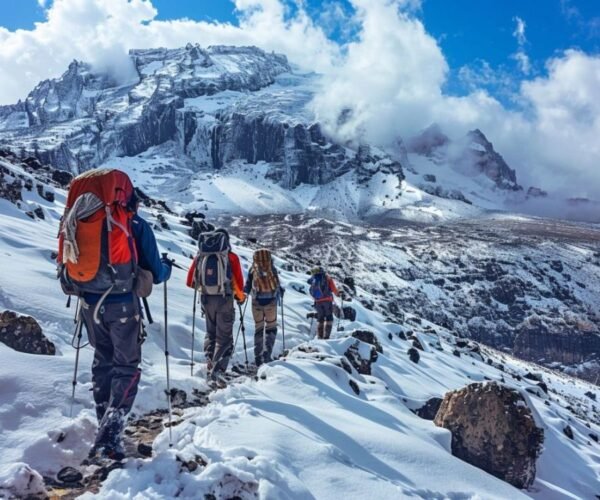
Frequently Asked Questions
Kilimanjaro is a challenging trek, but it does not require technical climbing skills. Good preparation, a suitable route, proper pacing, and gradual acclimatization can make the experience more manageable.
Mount Kilimanjaro stands at approximately 5,895 metres (19,341 feet) above sea level, making it the highest mountain in Africa.
No. Many people climb Kilimanjaro without previous high-altitude trekking experience. However, good physical preparation and a positive mindset are important.
There is no single best route for everyone. Lemosho and Northern Circuit are popular for longer acclimatization, Machame is known for its scenery, while Marangu offers hut accommodation. Your choice should depend on your fitness, time, experience, and preferences.
Most Kilimanjaro itineraries take approximately 5–9 days, depending on the route and itinerary. Longer climbs generally provide more time for acclimatization.
Kilimanjaro can be climbed throughout much of the year, but the drier periods are generally preferred. Popular climbing seasons include January–February and June–October.
Yes. Training helps prepare your body for long hiking days, elevation gain, and summit night. Hiking, walking, cardio exercises, strength training, and stair climbing are useful forms of preparation.
Essential equipment includes suitable hiking boots, layered clothing, warm summit clothing, waterproof gear, a sleeping bag, headlamp, trekking poles, sun protection, personal toiletries, water bottles, snacks, and important travel documents.
Altitude sickness can occur when your body does not adapt well to high elevation. No level of fitness completely prevents it. Gradual acclimatization, a slow pace, adequate hydration, rest, and following your guide's instructions are important.
Yes. Kilimanjaro climbs are conducted with professional guiding and support teams. Experienced guides help with navigation, pacing, safety, and mountain procedures.
Temperatures vary significantly depending on altitude and weather. The summit area can be extremely cold, particularly during summit night, so proper thermal and insulated clothing is essential.
Summit day usually begins very early, often around midnight. Trekkers climb through the night toward the summit, reach the summit area around sunrise when conditions allow, then descend to lower elevation
Plan Before You Book
- Define Your Main Experience
- Check Seasonal Conditions
- Match Your Dates to Your Goals
- Consider Your Budget
- Book Popular Experiences Early
Ready to Experience Tanzania?
Your perfect Tanzania adventure starts with choosing the right time.