- Home
- Training Before Climbing
Training Before Climbing
Build your fitness, endurance, and confidence before the trek with practical training guidance for a stronger, more enjoyable climb.
Prepare Your Body. Build Your Confidence. Reach the Summit.
Climbing Mount Kilimanjaro is a rewarding adventure, but good preparation can make your experience safer, more comfortable, and more enjoyable. You don’t need to be an elite athlete, but you should prepare your body for long days of walking, elevation gain, changing weather, and the demands of summit night.
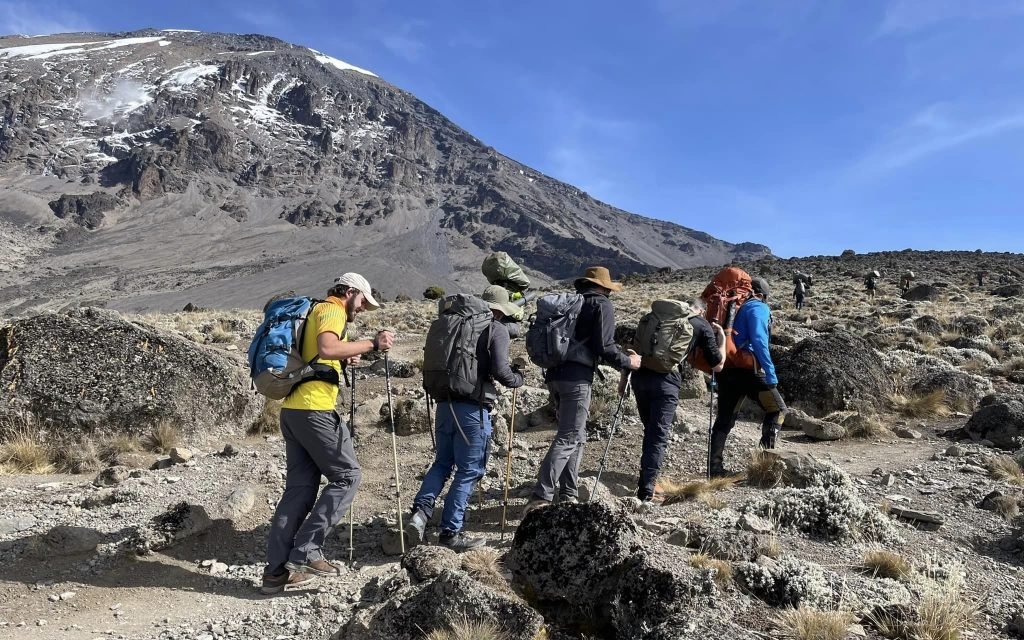
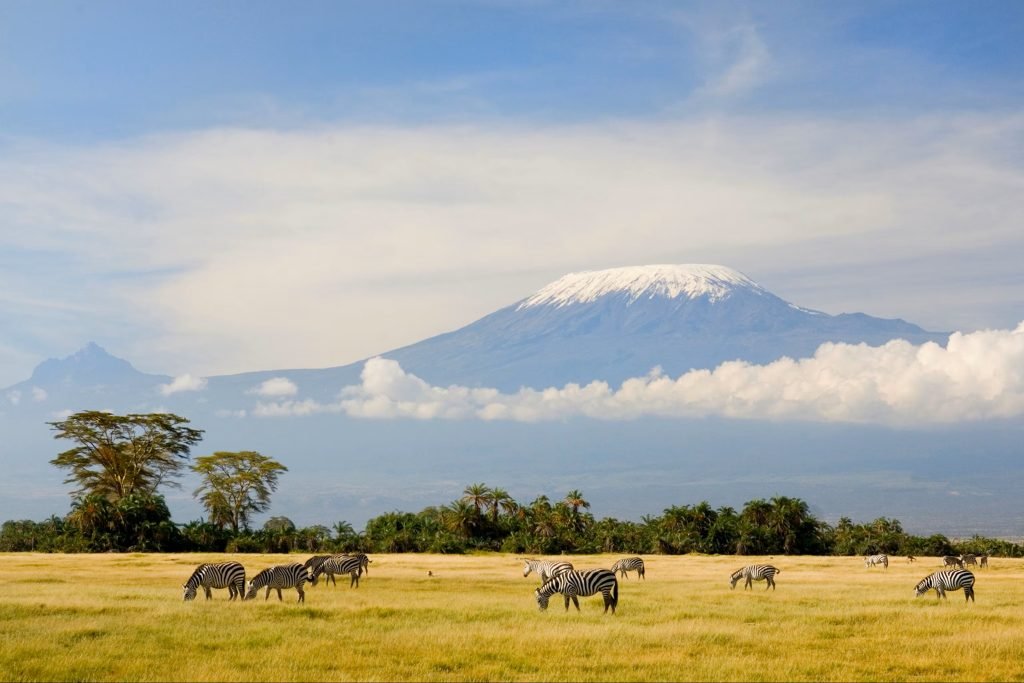
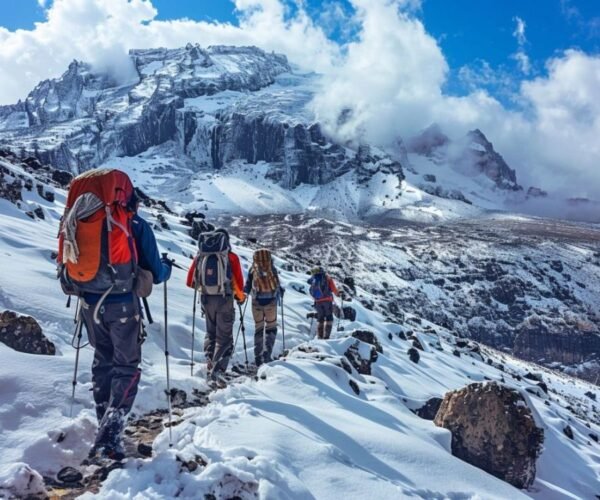
How to Prepare for Kilimanjaro
1. Build Your Endurance
Focus on activities that improve cardiovascular fitness and help you walk for several hours comfortably.
- Hiking and long-distance walking
- Jogging or running
- Cycling
- Stair climbing
- Brisk walking
Aim for regular training several months before your climb and gradually increase the duration and difficulty.
2. Strengthen Your Legs
Strong legs help you handle long uphill and downhill sections.
- Squats
- Lunges
- Step-ups
- Calf raises
- Stair climbing
Train consistently and focus on controlled movements rather than lifting very heavy weights.
3. Train With a Backpack
Practice walking and hiking while carrying a backpack similar to what you will use on the mountain. Start with a light load and gradually increase it as your fitness improves.
4. Practice Long Hikes
Weekend hikes are excellent preparation for Kilimanjaro. Gradually increase your distance and include hills or uneven terrain where possible.
5. Prepare for Altitude
Fitness alone does not prevent altitude sickness. Kilimanjaro’s high altitude requires gradual acclimatization, proper pacing, hydration, and following your guide’s instructions.
6. Practice Walking Slowly
Kilimanjaro is not a race. Training yourself to maintain a comfortable, steady pace will help conserve energy during the climb.
Sample Weekly Training Plan
| Day | Training |
|---|
| Monday | Rest or light stretching |
| Tuesday | Cardio + leg strength |
| Wednesday | Brisk walking or cycling |
| Thursday | Strength training + stairs |
| Friday | Rest or light activity |
| Saturday | Long hike with a backpack |
| Sunday | Recovery walk or stretching |
How Long Should You Train?
Ideally, begin preparing 8–12 weeks before your climb. If you are already active, you may need less preparation. If you are new to hiking or exercise, start earlier and increase your training gradually.
Final Preparation Tips
- Break in your hiking boots before the trip.
- Practice with the equipment you will actually use.
- Increase training gradually to avoid injury.
- Include rest and recovery days.
- Stay hydrated and maintain a balanced diet.
- Practice hiking on hills or stairs whenever possible.
- Get enough sleep before your climb.
- Listen to your body and avoid overtraining.
Frequently Asked Questions
You do not need to be an elite athlete. A good level of cardiovascular fitness, leg strength, and endurance will help you handle the long hiking days more comfortably.
We recommend starting your training around 8–12 weeks before your climb. If you are new to hiking or regular exercise, starting earlier can give you more time to build fitness gradually.
Hiking, brisk walking, stair climbing, jogging, cycling, and strength exercises such as squats and lunges are excellent ways to prepare.
Not necessarily. If mountains are not available, you can prepare with long walks, stairs, hills, treadmill incline workouts, and regular cardiovascular and strength training.
Yes. Practicing with a backpack helps your body become comfortable carrying equipment during long hikes. Start with a light load and gradually increase it.
Yes. Many first-time trekkers successfully climb Kilimanjaro with proper preparation, a suitable route, gradual acclimatization, and professional guiding.
No. Physical fitness does not guarantee protection from altitude sickness. Proper acclimatization, a steady pace, hydration, rest, and following your guide's advice are important.
Plan Before You Book
- Define Your Main Experience
- Check Seasonal Conditions
- Match Your Dates to Your Goals
- Consider Your Budget
- Book Popular Experiences Early
Ready to Experience Tanzania?
Your perfect Tanzania adventure starts with choosing the right time.