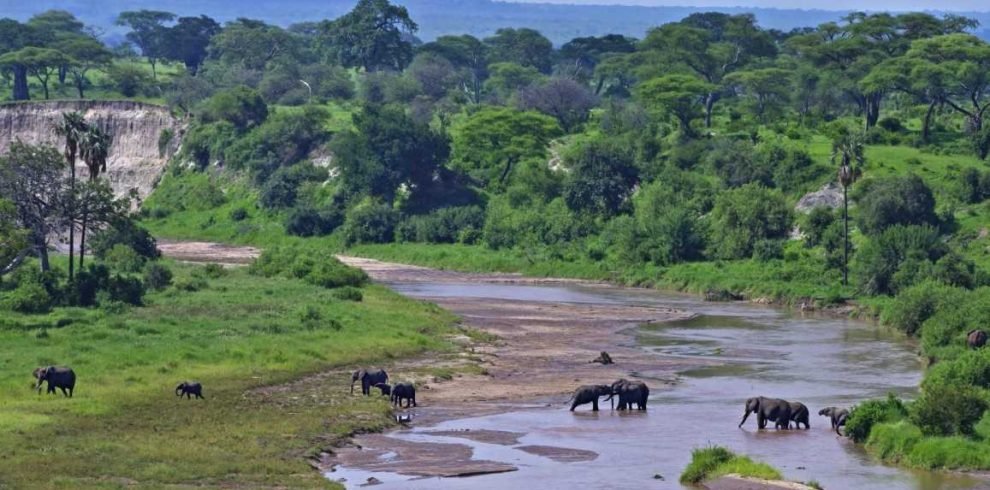
Tanzania is one of Africa’s most rewarding safari destinations, with incredible wildlife, diverse landscapes, and national parks that can be visited throughout the year. However, the best time to go depends on what you want to see, where you want to travel, and the kind of safari experience you prefer.
Understanding Tanzania’s seasons can help you choose the right time for your adventure.
The Dry Season: June to October
The dry season is one of the most popular times for a Tanzania safari. Rainfall is limited, vegetation becomes less dense, and animals often gather around rivers, lakes, and other reliable water sources.
These conditions can make wildlife easier to spot, particularly in destinations such as the Serengeti, Tarangire, and Ngorongoro Conservation Area.
The months from June to October are also a popular period for visitors interested in the Great Wildebeest Migration. The exact location of the herds changes throughout the year, so your itinerary should be planned according to the migration cycle rather than relying on a single month.
The Short Rains: November to December
The short rains bring new life to Tanzania’s landscapes. After the dry months, vegetation begins to turn green, creating beautiful scenery and excellent conditions for photography.
Wildlife remains abundant, and many areas are less crowded than during the peak dry season. This can be a good option for travelers looking for a quieter safari experience.
The Green Season: January to March
January through March is an exciting period to visit Tanzania, particularly for travelers interested in the calving season in the southern Serengeti and Ndutu area.
Large numbers of wildebeest gather to give birth, attracting predators such as lions, cheetahs, and hyenas. The green landscapes also provide a beautiful backdrop for photography.
This period can be especially rewarding for travelers who want to experience the wildlife cycle beyond the famous migration crossings.
The Long Rains: April to May
April and May are traditionally Tanzania’s wettest months. Rain can be heavier, but that does not mean safari experiences stop.
The parks are often quieter, landscapes are lush and green, and some lodges and safari packages may offer lower rates. For travelers who are comfortable with occasional rain and want fewer crowds, this season can be worth considering.
When Is the Best Time for the Great Wildebeest Migration?
The Great Wildebeest Migration moves continuously throughout the year between Tanzania and Kenya, so there is no single month when the entire migration can be seen in one place.
Different stages of the migration offer different experiences. The calving season generally takes place around January to March in the southern Serengeti and Ndutu area, while the herds typically move through the Serengeti during the following months.
The famous river crossings generally occur later in the year, although timing can vary depending on rainfall and conditions.
If witnessing a particular stage of the migration is your priority, your safari should be planned around that specific experience.
Best Time for Wildlife Viewing
For travelers whose main goal is general wildlife viewing, the dry season from June to October is often an excellent choice.
With less vegetation and animals concentrating around water sources, spotting wildlife can be easier. However, Tanzania’s parks have wildlife throughout the year, so you can still enjoy a rewarding safari outside the peak dry season.
Best Time for a Quieter Safari
If avoiding crowds is important to you, consider traveling during the green season or the long rains.
You may encounter fewer vehicles at popular wildlife areas, while the landscapes can be exceptionally green and scenic. The trade-off is that you should be prepared for changing weather conditions.
Best Time for Photography
Every season offers something different for photographers.
The dry season provides clear visibility and dramatic landscapes, while the green season brings vibrant vegetation, dramatic skies, and excellent opportunities for photographing young animals.
For wildlife photographers, the January to March calving season can be particularly interesting because of the concentration of animals and predator activity.
So, When Should You Visit Tanzania?
There is no single best time for every traveler.
June to October: Great for general wildlife viewing and dry-season conditions.
November to December: Green landscapes, fewer crowds, and good wildlife viewing.
January to March: Excellent for the calving season and predator sightings in the southern Serengeti.
April to May: Lush scenery, fewer visitors, and potentially better-value safari options.
The right time ultimately depends on your priorities, budget, and the destinations you want to visit.
Plan Your Tanzania Safari
At Africa Prince Adventures, we can help you choose the right season and create an itinerary around your interests. Whether you want to experience the Great Wildebeest Migration, explore Tanzania’s famous national parks, or enjoy a quieter safari away from the crowds, planning at the right time can make your journey even more memorable.
Start planning your Tanzania safari with Africa Prince Adventures.