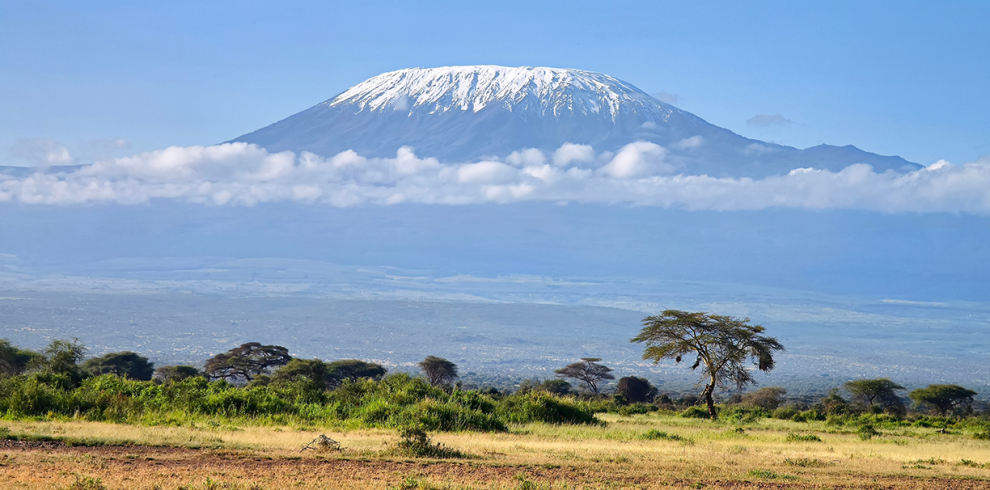
Mount Kilimanjaro is one of Africa’s most iconic natural landmarks and the highest mountain on the continent. Rising to 5,895 metres above sea level, Kilimanjaro attracts trekkers from around the world who want to experience its changing landscapes and reach its famous summit.
Unlike many high mountains, Kilimanjaro does not require technical climbing skills. However, reaching the summit requires proper preparation, physical endurance, a suitable route, and careful acclimatization.
This guide covers what you need to know before planning your Kilimanjaro adventure.
Understanding Mount Kilimanjaro
Kilimanjaro is a free-standing volcanic mountain in northern Tanzania. It has three volcanic cones: Kibo, Mawenzi, and Shira. Uhuru Peak, located on Kibo, is the highest point at 5,895 metres.
The climb takes you through several distinct ecological zones, beginning in cultivated areas and rainforest before progressing through moorland, alpine desert, and finally the high-altitude summit zone.
The dramatic change in scenery is one of the highlights of climbing Kilimanjaro.
How Difficult Is Kilimanjaro?
Kilimanjaro is considered a challenging trek rather than a technical mountain climb. You do not normally need ropes, climbing equipment, or previous mountaineering experience.
The biggest challenge is altitude. As you climb higher, the air contains less available oxygen, and your body needs time to adjust.
A good level of fitness is important, but pacing yourself and allowing enough time for acclimatization are equally important.
Choosing the Right Kilimanjaro Route
Kilimanjaro has several established routes, each offering a different experience.
Machame Route is known for its scenic landscapes and is one of the most popular options.
Lemosho Route offers a longer approach with beautiful scenery and more time for acclimatization.
Marangu Route is the only main route with hut accommodation and follows a relatively direct path toward the summit.
Rongai Route approaches Kilimanjaro from the northern side and tends to offer a quieter trekking experience.
Northern Circuit is the longest route and provides excellent acclimatization opportunities while exploring the northern slopes.
Your choice should depend on your available time, fitness, preferences, and the importance you place on acclimatization and scenery.
How Many Days Does It Take?
Most Kilimanjaro climbs take between five and nine days, depending on the route and itinerary.
Longer itineraries generally provide more time for acclimatization. This can make the trek more comfortable and may improve your chances of reaching the summit.
When comparing packages, it is important to consider the number of trekking days rather than simply choosing the shortest option.
The Best Time to Climb Kilimanjaro
Kilimanjaro can be climbed throughout the year, but some periods generally provide more favorable trekking conditions.
The main dry seasons are typically from June to October and January to February. These months are popular because there is generally less rainfall on the mountain.
The shoulder periods can also be suitable, but weather conditions can be more unpredictable.
Your preferred travel dates, tolerance for changing weather, and route choice should all be considered when planning your climb.
Preparing for the Climb
You do not need to be an elite athlete to climb Kilimanjaro, but preparation is important.
Regular walking, hiking, stair climbing, cycling, or other aerobic activities can help improve your endurance. Longer hikes are particularly useful because they allow you to become comfortable spending several hours on your feet.
It is also helpful to practice walking with the footwear and daypack you intend to use on the mountain.
Start preparing several weeks or months before your climb, depending on your current fitness level and experience.
What to Pack for Kilimanjaro
Temperatures can vary significantly as you move through the mountain’s different climate zones, so layering is essential.
Important items generally include:
- Moisture-wicking base layers
- Warm fleece or insulating layers
- Waterproof and windproof outer layers
- Comfortable trekking trousers
- Good hiking boots
- Warm gloves and a hat
- Sunglasses and sunscreen
- Headlamp
- Water bottles or hydration system
- Sleeping bag suitable for cold conditions
- Personal medication and essential toiletries
- Backpack and waterproof protection
Your trekking operator should provide a detailed packing list based on the route and season.
Understanding Altitude and Acclimatization
Altitude is one of the most important factors to consider when climbing Kilimanjaro.
As you gain elevation, your body needs time to adapt to the lower oxygen availability. This is why gradual ascent and appropriate rest are important.
Guides generally encourage trekkers to maintain a slow, steady pace, often described as “pole pole,” meaning slowly in Swahili.
If you experience symptoms that could indicate altitude illness, tell your guide immediately. Guides are trained to monitor trekkers and respond when health or safety becomes a concern.
What Happens on Summit Day?
Summit day is usually the most demanding part of the trek.
Trekkers commonly begin the summit attempt during the night so they can reach the higher sections around sunrise. The pace is deliberately slow because of the altitude and steep terrain.
After reaching Uhuru Peak, you descend to lower elevation, where the air becomes noticeably richer in oxygen.
Although the summit is a major achievement, the descent is an important part of the journey and can also be physically demanding.
Why Climb Kilimanjaro?
Climbing Kilimanjaro is about more than reaching the highest point in Africa.
The journey takes you through dramatically different landscapes, introduces you to Tanzania’s mountain environment, and challenges you physically and mentally.
For many trekkers, standing at Uhuru Peak after days of walking is a moment they remember for the rest of their lives.
Choose Africa Prince Adventures
A successful Kilimanjaro climb starts with good planning. Choosing the right route, allowing enough time for acclimatization, preparing properly, and trekking with an experienced team can make a significant difference to your experience.
Africa Prince Adventures can help you choose a suitable Kilimanjaro route and organize the essential arrangements for your trek.
Start planning your Mount Kilimanjaro adventure with Africa Prince Adventures.